
Thu

16.4.

20:00
YETZE Casino Night #2: Blurry Records Label Night

Sat

18.4.

Sun

19.4.

19:00
The Shimmy Shake School for Burlesque

Thu

23.4.

20:00 Premiere
Miguel Witzke Pereira

Sat

25.4.

20:00
Miguel Witzke Pereira

Fri

1.5.

20:00 Premiere
CAT Jugravu & Rom*nja Theaterkollektiv

Sat

2.5.

20:00
CAT Jugravu & Rom*nja Theaterkollektiv

Sun

3.5.

18:00
CAT Jugravu & Rom*nja Theaterkollektiv

Fri

8.5.

20:00
Glitch AG

Sat

9.5.

20:00
Glitch AG

Fri

15.5.

20:00
Hampel / Helbig / Kießling

Sat

16.5.

20:00
Hampel / Helbig / Kießling

Fri

22.5.

16:00
Club Real

Sat

23.5.

16:00
Club Real

Thu

28.5.

20:00
Køteren og Terrieren

Fri

29.5.

20:00
Køteren og Terrieren

Sat

30.5.

20:00
Køteren og Terrieren

Productions

  • © Behrouz Badruj

  • © Behrouz Badruj

  • © Behrouz Badruj

  • © Behrouz Badruj

  • © Behrouz Badruj

  • © Behrouz Badruj

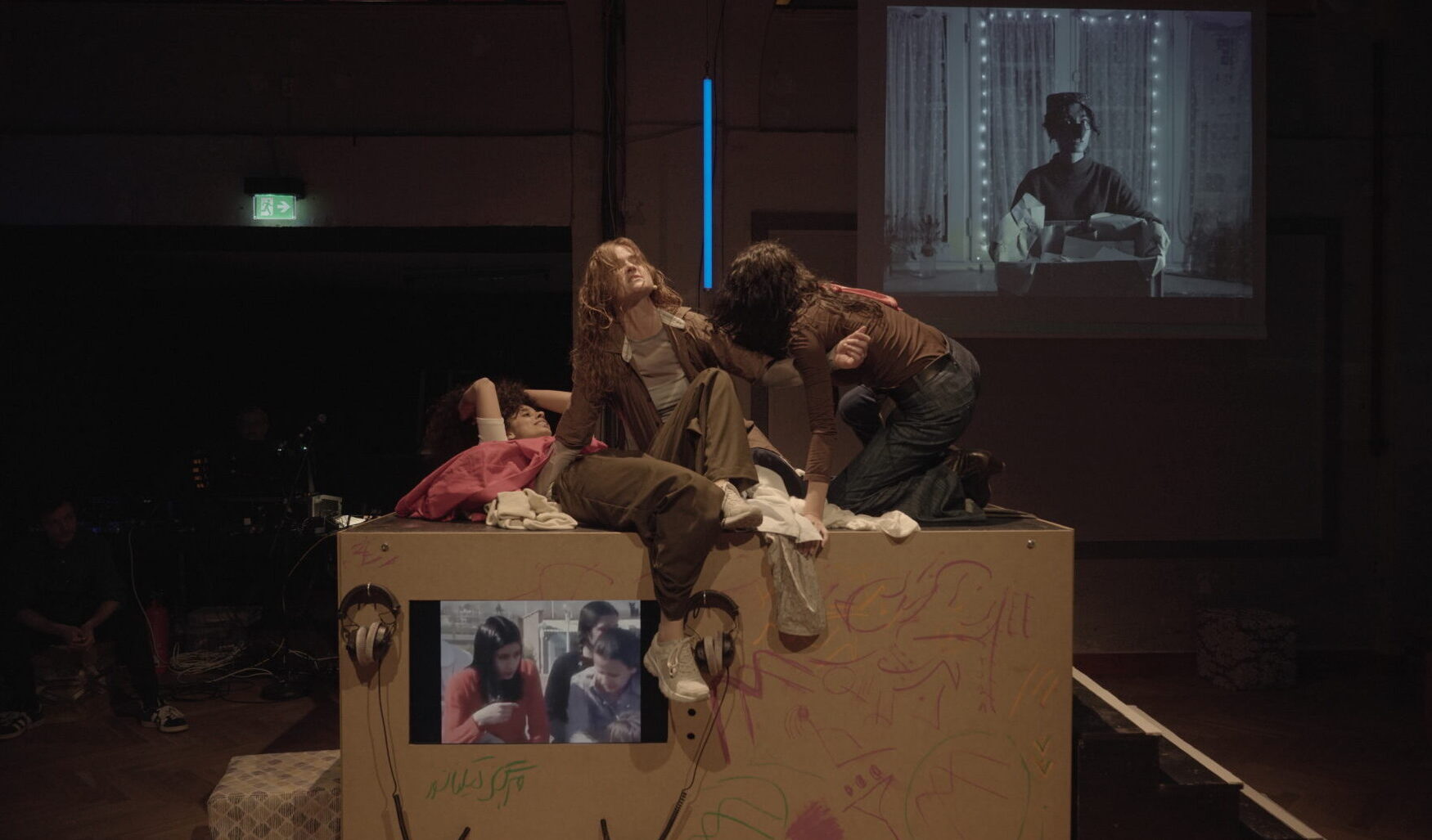
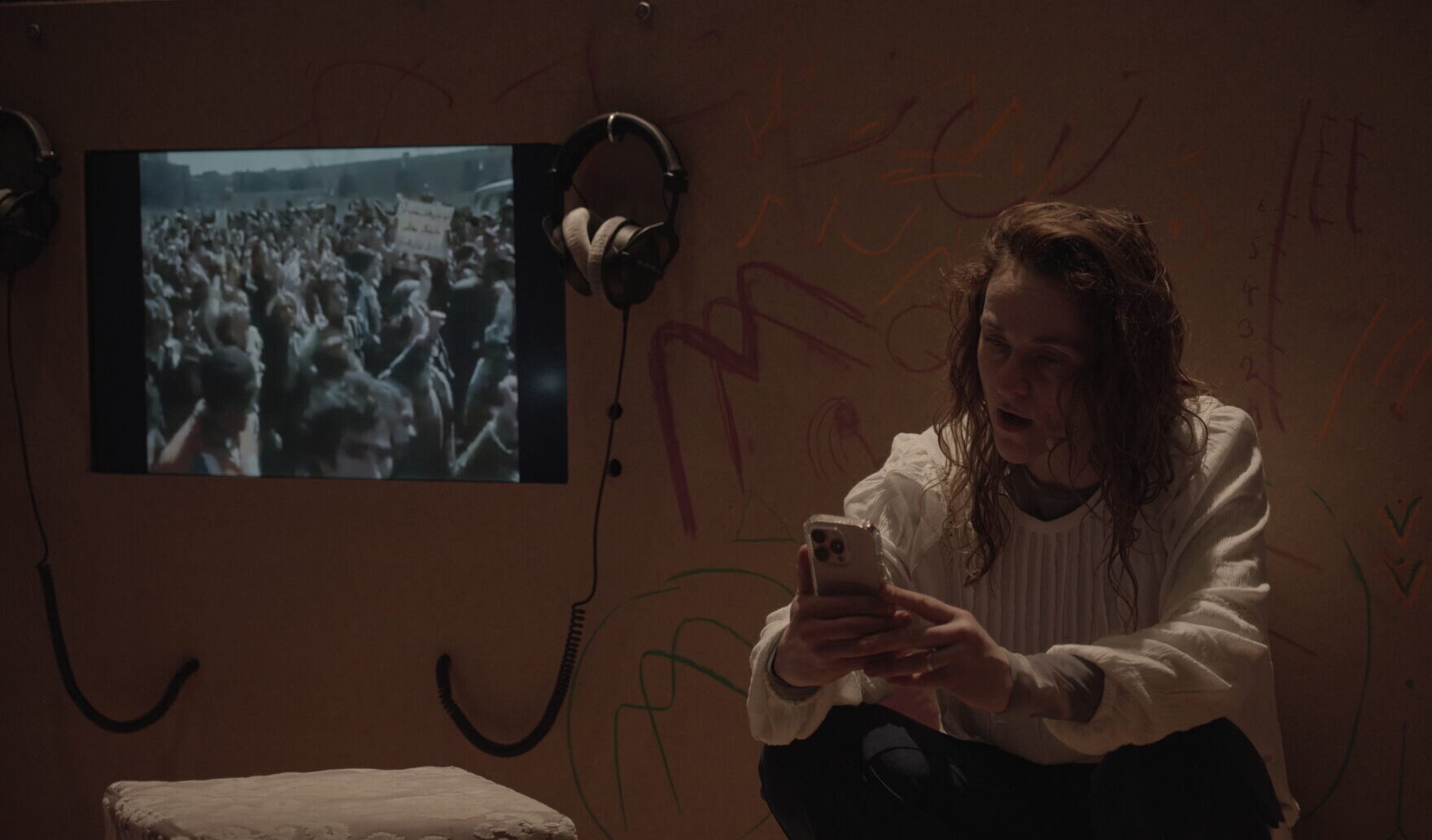
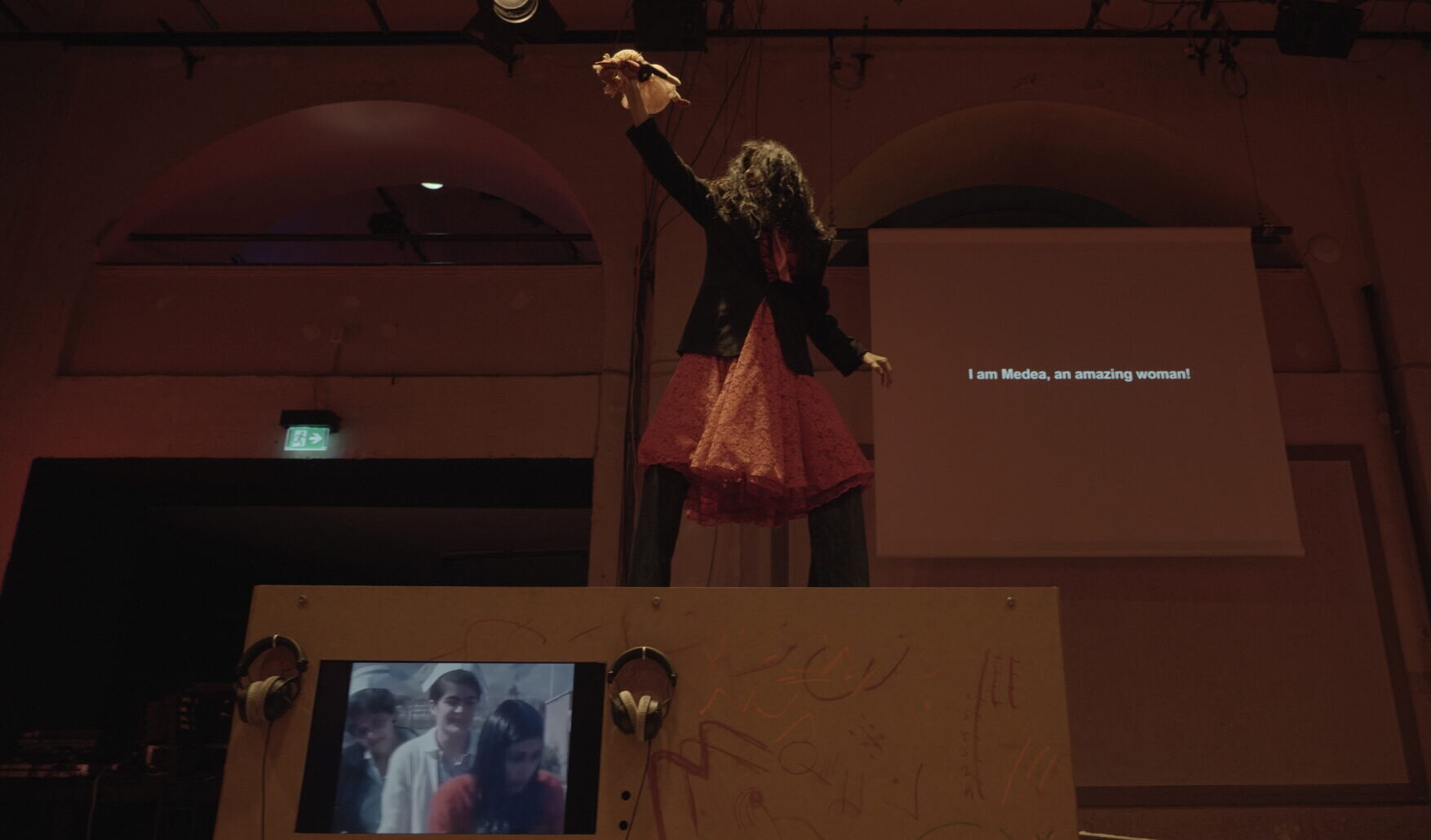
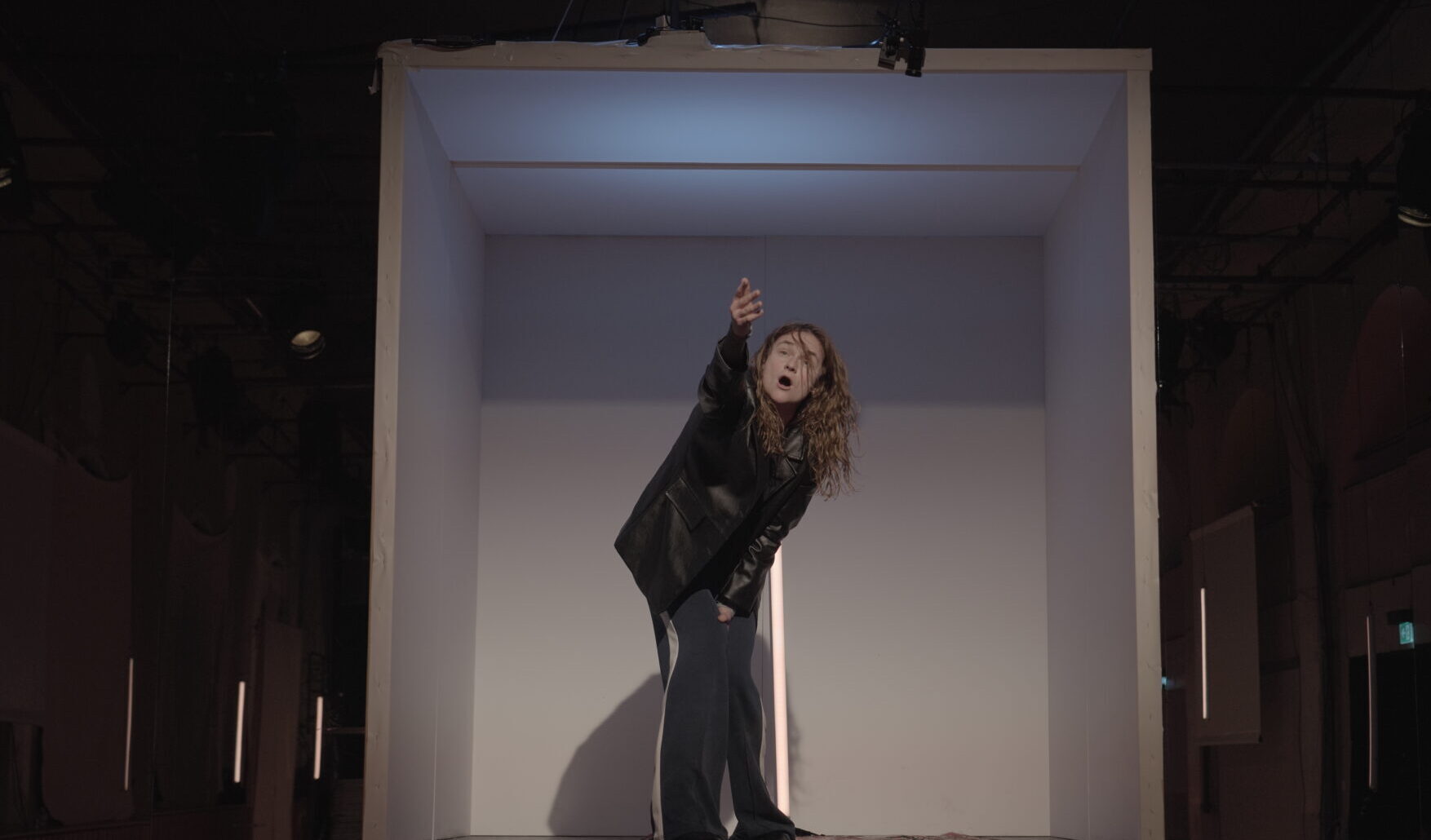
Frauen der Revolutionsstraße | دختران خیابان انقلاب

Ayat Najafi and Arta Atelier Kollektiv

115 minutes
Theater hall

در آغاز، احساس پوچی و سرخوردگی و ناکامی -انگار انقلاب از دستمان رفته است. ما شکست خورده‌ایم از رژیم‌های مستبد، از ساختارهای مردسالارانه و از ترس‌های خودمان. و چیزی بر جای نمانده جز خواهشِ تسلیم نشدن. هسته‌ی اصلی داستان، خیابان انقلاب در مرکز شهر تهران است، نماد مقاومت زنان ایرانی از سال ۱۳۵۷ به این‌سو، جایی که تن‌ها ابزار اعتراض می‌شوند، سلاح‌هایی در مبارزه برای آزادی و عدالت. داستان از سال ۱۳۹۶ با اعتراض شجاعانه‌ی ویدا موحد آغاز می‌شود و با رجعت به خیزش زنان در سال ۱۳۵۷، به اعتراضات گسترده پس از مرگ مهسا- ژینا امینی در سال ۱۴۰۱ می‌رسد

مردم بدن‌هایشان را همچون سپری در دفاع از خود در برابر ظلم به‌ کار می‌برند، رقصان در خیابان‌های تهران خواستار تغییرند و در برابر خشونت دولتی می‌ایستند. و پس از سرکوب به ویرانه‌ها و خانه‌های متروکه پناه می‌برند، مکان‌هایی که به بایگانی مقاومت تبدیل می‌شوند، و در آنها ایده‌های نو و تئاتری نو سر بر می‌آورد — تئاتر شوریدن. این تئاتر از مبارزه برای آزادی می‌گوید، از زنانی که نسل‌ اندر نسل ستم‌ رفته بر خود را به چالش می‌کشند و در این کوشش صدایشان را باز می‌یابند

In the beginning, there is emptiness and defeat – the revolution seems lost, failed due to the regime, patriarchal structures and fears. But the desire not to give up remains. At the centre is Revolution Street, the symbol of women’s resistance in Iran since 1979. Here, bodies become an expression of protest, weapons in the fight for freedom and justice. The story begins in 2017 with Vida Movahed’s courageous protest and spans back to the women’s uprisings of 1979 and the protests following Mahsa Jina Amini’s death in 2022.

People use their bodies to fight back against oppression, dancing on Tehran’s streets, demanding change and defying state power. Their retreats – ruins and abandoned houses that become archives of resistance, where new ideas and a theatre of uprising are created. This play tells of the struggle for freedom, of women who challenge generations of oppression and find their voices.


در پاییز ۱۴۰۱ همزمان با خیزش زنان، آیت نجفی در تهران مجموعه‌ای از کارگاههای زیرزمینی تئاتر را هدایت می‌کرد. این پروژه از سال ۱۴۰۲ با پیوستن جمعی از هنرمندانِ سایر کشورها به گروه در برلین ادامه یافته است.

In fall of 2022, Ayat Najafi led a series of underground theater workshops in Tehran during the women’s uprising. From this work, an ensemble emerged, which he has continued to develop in Berlin with international artists since 2023.


The performance on 27.03. will be followed by an artist talk.
By and with Asma Asadizadeh, Nasrin Derakhshanzadeh, Johanna Lemke Text, direction Ayat Najafi Stage, costumes Sabina Moncys Choreography Frank Willens Video Guillaume Lenoble Cast video Amin Simiar, Parastoo Nouri, Zeynab Shabanian, Isabelle Delava Najafi Off sound Katja Gaudard Interviews Carolin Wiedenbröker, Christiane Mudra, Jule Flierl, Melanie Seewald Music Sébastien Apert Dramaturgy Sarah Marée Technical direction, light design Fabian Eichner Directors assistent Luca Lehnert Stage & Costume Design assistent Larissa Gulitz Production management ehrliche arbeit - freies Kulturbüro Production Tehran Arta Atelier

 
A production by Ayat Najafi and Arta Atelier Kollektiv in co-operation with Ballhaus Ost and Theater an der Ruhr, funded by the Hauptstadtkulturfonds. In collaboration with Rosa-Luxemburg-Stiftung and Goethe-Institut im Exil. With the kind support of the Château de Monthelon.

Dates

  • Mar 27, 2026
  • Mar 28, 2026
  • Mar 29, 2026
Language Info

In German, English and Persian spoken language
With German and English surtitles

Access / Content Note

Various seating options
The performance begins at the bar on the first floor. This area is only accessible via stairs and is therefore not wheelchair accessible. The first part at the bar lasts approximately 5 minutes.
Afterwards, the performance continues in the theater hall. This space is accessible for wheelchair users.